Health and Safety Policy for Landscaping Kingston
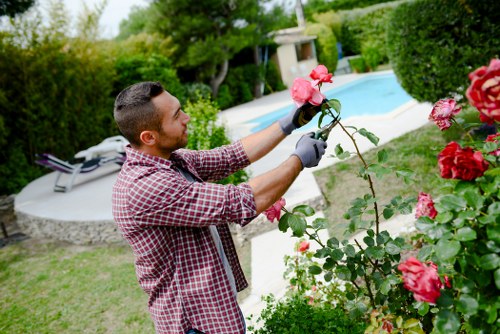 Landscaping Kingston is committed to maintaining a safe, healthy, and responsible working environment for employees, contractors, clients, and members of the public. This policy sets out the principles and practices used to reduce risk, prevent injury, and support consistent safe work across all landscaping activities. It applies to routine maintenance, planting, turf care, hard landscaping, site preparation, equipment use, and the handling of materials. Our approach is based on prevention, awareness, and accountability at every stage of work.
We recognise that landscaping can involve physical labour, moving machinery, sharp tools, manual lifting, uneven ground, weather exposure, and interaction with vehicles or the public. Because of these hazards, health and safety must be considered before work begins and throughout each task. The objective of this policy is to ensure that landscaping services in Kingston are carried out without unnecessary harm to people, property, or the environment.
Every worker has a duty to act safely, follow procedures, and report hazards promptly. Managers and supervisors are responsible for planning work correctly, providing suitable resources, and making sure safe methods are used. Safety is not an optional extra; it is a core part of quality service delivery.
Risk assessments are completed for jobs where hazards may be present. These assessments consider the work area, the tools involved, public access, weather conditions, electrical risks, traffic movement, and the condition of soil, slopes, or surfaces. Where risks cannot be removed entirely, control measures are introduced to reduce the likelihood of harm. This may include barriers, signage, protective clothing, equipment checks, or adjusted working methods.
All staff are expected to use tools and machinery correctly and only if trained and authorised to do so. Equipment must be inspected before use and taken out of service if defects are found. Fuel, oils, chemicals, and other substances must be stored and handled carefully to avoid spills, burns, contamination, or fire. Safe storage and correct use of equipment are essential in all landscaping operations.
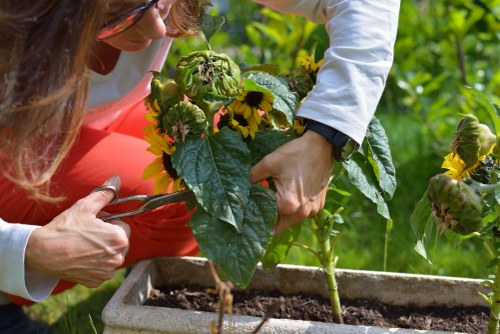 Training is provided to ensure workers understand safe lifting techniques, correct tool handling, noise awareness, and the use of personal protective equipment. Depending on the nature of the task, PPE may include gloves, protective footwear, eye protection, high-visibility clothing, hearing protection, or respiratory protection. PPE must be worn where required and maintained in good condition.
Manual handling is a common part of landscaping, particularly when moving plants, bags of materials, paving units, timber, or waste. To reduce strain and injury, workers are encouraged to assess loads before lifting, use mechanical aids where practical, and team-lift heavy or awkward items. Repetitive tasks should be rotated where possible to reduce fatigue.
The management of weather-related risks is especially important in outdoor work. Hot conditions, cold conditions, rain, ice, strong winds, and reduced visibility can all affect safety. Work may be delayed, adapted, or stopped when conditions become unsafe. Adequate hydration, rest breaks, and suitable clothing are expected during adverse weather. Good judgement is critical when deciding whether to continue work.
Maintaining public safety is also part of the policy. Work areas should be organised to minimise disruption and prevent unauthorised access where possible. Tools should not be left unattended in public spaces, debris must be cleared regularly, and temporary hazards should be made visible. The team must take care around pedestrians, customers, neighbouring properties, and road users.
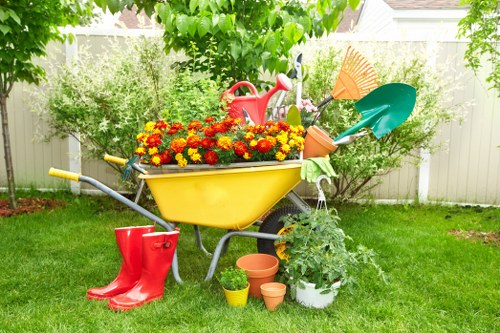 Environmental responsibility is linked to safety. Waste should be disposed of properly, and hazardous materials must never be released into drains, soil, or waterways. Plants, mulch, aggregates, and other site materials should be managed to avoid trip hazards, dust exposure, and unstable stacking. Where possible, safer products and lower-risk working methods are preferred.
Emergency readiness is a key part of this policy. First aid equipment should be available, and workers must know the correct response to injury, fire, spillages, or severe weather. Accidents, near misses, and unsafe conditions are reported and reviewed so that lessons can be learned. This reporting culture helps improve landscaping health and safety performance over time.
Supervisors are responsible for monitoring work practices and stopping work if conditions become unsafe. They must ensure that new workers receive appropriate induction and that experienced workers continue to follow safe systems of work. No task should be carried out if the required controls, equipment, or competence are not in place.
 Health and wellbeing are considered alongside physical safety. Landscaping work can be demanding, so fatigue, stress, dehydration, and poor posture must be managed carefully. Breaks, realistic scheduling, and open communication help support a healthy workforce. Workers are encouraged to raise concerns early if a task feels unsafe or beyond their ability.
Compliance with this policy is mandatory. Failure to follow safety procedures may result in removal from the task, further training, or disciplinary action where appropriate. However, the main aim is always improvement rather than blame. Everyone involved in landscaping services Kingston shares responsibility for protecting people and maintaining safe standards.
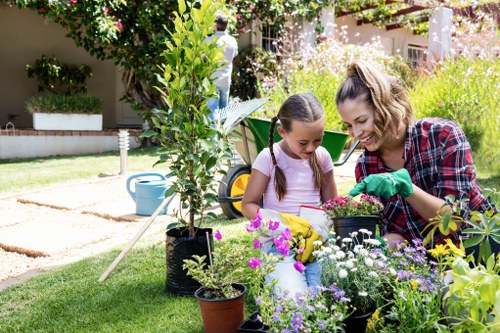 This policy will be reviewed regularly to ensure it remains effective, current, and aligned with operational needs. Updates may be made when equipment changes, new hazards are identified, or better practices become available. By following this policy, Landscaping Kingston demonstrates a clear commitment to safe, professional, and reliable work in every project undertaken.